
plants for free
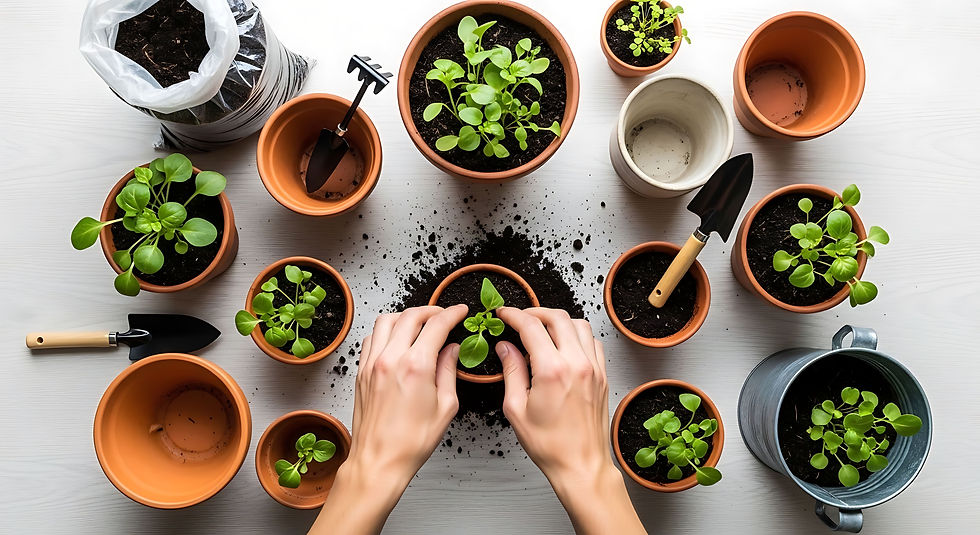
Plant Propagation Fundamentals
Best success comes from creating native environments that plants naturally thrive in
God placed every plant in specific native conditions - match your garden conditions to suitable plants
If conditions are right, plants will self-propagate through seedlings with minimal intervention
Analyse your garden conditions first: shade/sun, clay/sand, wet/dry, pH levels
Natural Propagation Methods
Seedlings from established plants: Most reliable method when conditions match
Collect seedlings naturally appearing around mature plants
Woodland areas with leaf mulch produce abundant fern and shrub seedlings
21 different bird species attracted to diverse plantings create natural seed dispersal
Layering: Second-best method, especially for climbing plants
Bend branches to ground level, score underneath woody stems
Leave connected to mother plant for 6 months to establish roots
Works excellently for holly, honeysuckle, wisteria, clematis
Plant Family Relationships & Soil Sickness
Never plant same family where previous plant was removed - causes “rose sickness”
Hawthorn, cherry laurel, cherry tree, cotoneaster, pyracantha all related (Rosaceae)
Previous plant extracts specific nutrients, leaving soil unsuitable for relatives
Rose sickness can prevent flowering for 7+ years
15-year rule: Commercial growers wait 15 years before replanting same family in soil
Semi-Ripe Cutting Techniques
Best timing: Late summer/early autumn when base is rigid, top is flexible
Proper cutting technique:
Use bypass secateurs with clean blade on plant side (not anvil type)
Cut at slight angle, strip bottom leaves completely
Dip in rooting hormone, plant in John Innes seed compost with perlite
Score underneath woody stems before planting
Climbing Plant Specifics
Climbing plants are ground cover forced upward - root systems go straight down to water table
Dig deep, narrow holes (shoulder-deep) not wide ones
Break compaction layer 15-18" down in newer properties
Wisteria identification: Japanese (clockwise twining), Chinese (anti-clockwise twining)
Fruit Tree Wisdom
Apple/pear design: Round apples roll away on slopes to avoid parent root system; pear shape prevents smashing on steeper slopes
Pear trees: Flower 3.5 weeks earlier than other fruit, pollinated by hoverflies (not bees)
Maintain leaf heaps and untidy hedgerows to preserve hoverfly habitat
Don’t fruit young trees for first 5 years - let roots establish first
Practical Growing Tips
Avoid high-nitrogen feeds before holidays - creates stressed root systems
Conifers show stress 3-4 months after damage occurs
Conifer cuttings need mist units - stick to seedling collection instead
Marginate leaves (white edges): wind tolerant; Maculate leaves (coloured centers): protect from wind
Old tree surgeon mulch (2+ years aged) creates ideal growing medium for an avocado stone
Next Steps
Map existing garden plants by family to avoid future planting conflicts
Identify garden’s native conditions and research suitable plant families
Collect seeds in autumn (hawthorn while still green, not red)


Comments